How to Live & Garden Through Extreme Heat
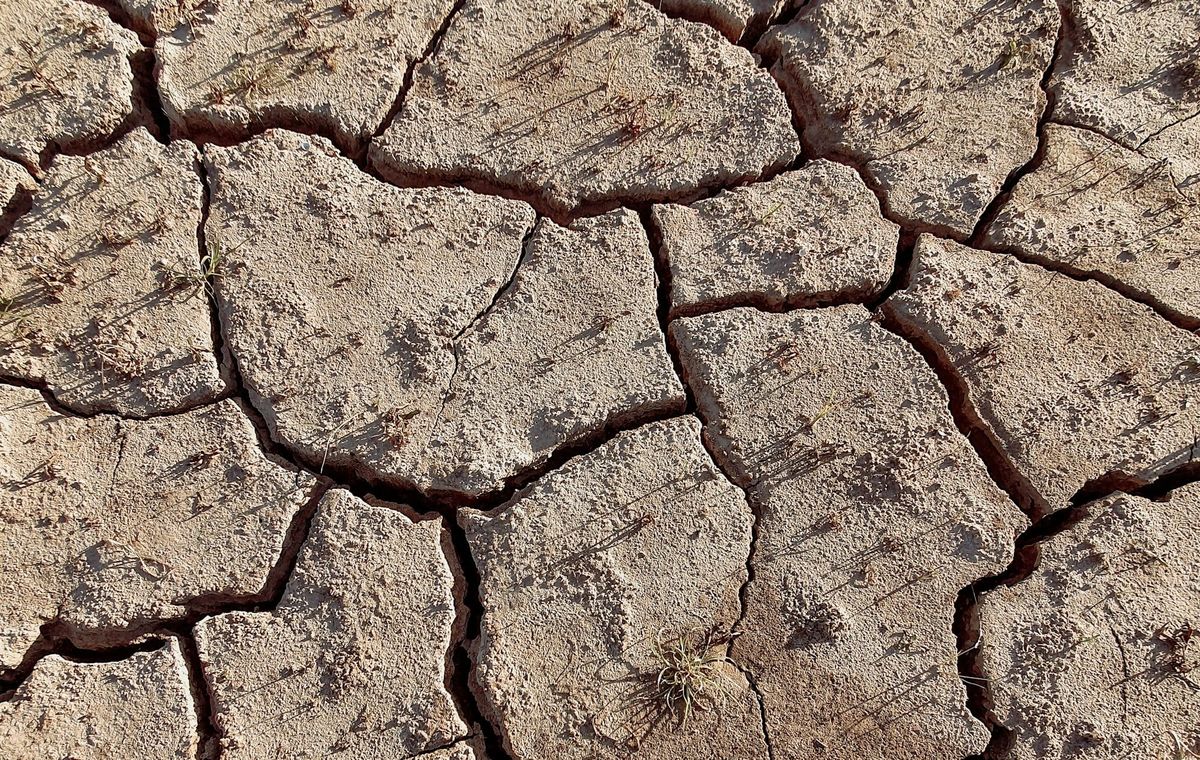
While our Ranch is located near Joshua Tree, our microclimate is definitively harsher than the town of the same name. Our temps can soar into the 120's fahrenheit during the summer, with a high UV index comparative to much of the US and very few shade opportunities. We're lucky enough to be seated right above a fairly competent aquifer, and thus while water scarcity is always top-of-mind, we're not quite as pressed for water as some of our neighbors further up in the Valley.
As you live through what is, for some of you, your first year of temperatures in triple-digits, and perhaps the first year that climate change really feels not only imminent but very much a reality, there are things you may take for granted that should perhaps become top-of-mind. From our experience embedded in an ecosystem that is quite like the potential final state of yours, should things progress as rapidly as they could, we're here to share not only what some of these long-term considerations should be, but tips for living and cultivating a garden through these moments of extreme heat. Most of these will be bulleted, as this could quickly balloon, but we welcome any and all emails, comments, clarifying questions, or "what ifs" you may have – and we'll try to answer as competently as we can while notifying you where we may have blind spots.
First: living through extreme heat
It's amazing how the body can acclimate to weather extremes in the best of conditions. When we first moved out here, we had been living in the mountains, where 85 in the summer is considered quite hot. That first summer, we ran the (very old) wall unit AC all day, every day, from 6am to 10pm if the temperatures were set to be over 95. Our electric bill was insane, but there were not yet any trees, and we just couldn't tolerate the heat. Four years in, we run the AC occasionally, when we just need a break, but not normally unless temperatures are at least over 110, and our children are still interested in playing outside in the shade with access to a kiddie pool at around those temps.
We would guess that if this is your first year with temperatures in your area being above 100, though, that you're probably like we were that first year. The heat most likely feels intolerable, especially if you live in a higher humidity region. Below are some tips for making things more tolerable. Some of these are common, some are perhaps a little more specific based on our experience. Either way, we hope having a comprehensive list is useful.
- Learn to wake up early, and try to do everything you need to do outside before 10am. Early for us is 5am, for our neighbors with horses it's 4am so they have time to feed and exercise them before it gets too hot.
- Embrace the siesta: wake up early, take a brief nap or rest around midday (or after work), and then stay up later to do the other things outdoors you need to do, or to just get the extra time to enjoy being outdoors. This helps a lot if you’re prone to SAD when you’re trapped indoors, if you struggle to get physically moving in the heat, or if you’re feeling overwhelmed by the outdoor work you have to do and how little time you feel you have to do it safely. It's also a wonderful excuse to get acquainted with the night sky if you wouldn't normally!
- Open all your windows at night, and keep them open through the morning. Close windows and blinds as the sun begins to hit them: East windows will get closed up first, with West windows being closed last. This keeps a breeze moving through your house all day while omitting the hot sun as it begins to heat the windows and the air right behind them.
- Invest in some heavy cloth curtains, prioritizing West windows if you can’t afford to put curtains on all of your windows. Your house will be dark in the middle of the day, and I know this is difficult to deal with, but it will keep you much cooler even if you do not have or cannot afford to run AC.
- Put a wide, shallow dish of water on a table right by windows that bring in prevailing breezes. The air passing over the water will create an evaporative cooling effect. You can also do this with an unglazed terra cotta pot full of water, or by placing some dense plants there instead. This can also be paired with a box fan during the parts of the day the windows are closed, and makes the fan much more effective.
- Find some time to get wet: take a shower and don’t dry off immediately after you come in from being outdoors, and stand in front of an open window or fan (neighbors permitting I suppose) or outdoors in a breeze if you have a private enough area.
- Let yourself sweat – this helps less in humid climates, but still, sweat is one of our primary adaptations for cooling when it’s hot. Antipersperant is dangerous -- maybe you smell, but this is how your body cools itself. It's okay to smell like a body[1].
- Drink way more water than you think. We use the guide “an ounce per pound of your body weight plus 50% when it’s over 100 degrees or we’re doing physical work outside over 85”. Whether this is medically perfect or not really doesn’t matter – drinking 100 oz of water a day will absolutely not lead to hyponatremia (which is really more due to a lack of salt and requires drinking a significant amount in a very short time frame) but will help your body cope with losing fluid to sweat and just generally with the stress of the heat. If your lips start to feel chapped, you’ve drank less than you’ve needed for at least the last two days, so increase your intake and they should improve in a day or two. It's helpful to always keep cool water at your side in a water bottle or glass and to make it a habit to reach for it.
- Shade cools you more under trees or earth than man-made structures which often radiate heat back indoors. Your house may or may not be the coolest place in the middle of the day – our house is cooler than outdoors until around 5pm in the summer at which point the structure radiates so much heat indoors that if there’s any breeze outside it’s safer to go out in whatever shade is in the garden and dip our feet in a stock tank or spray off with the hose than to sit indoors and sweat. Your mileage may vary, because humidity is also increased under trees and your sweat cannot evaporate and cool you effectively, so if you're in a very high humidity area this may not be as true, but the point is to just think about these things and not be afraid to try to seek out cooler spots and to be aware that structures may heat up more than outdoor areas.
- In urban areas which are experiencing heat island effects, finding a park with grass and good tree cover may be safer than staying in your apartment, particularly if you have one window or less and no air conditioning. If you're lucky enough to work on a computer at home, invest in a cell plan that allows you to use hot spot data and bring your lunch to the park so you can work under a tree rather than indoors.
- Finally, I’m unsure about the availability of these in regions that aren’t so used to extreme heat, but it’s common in the Southwest for libraries or community centers to offer free cool hours during the hottest part of the day for those who don’t have AC or are unhoused where folks can come sit in a safe air conditioned space to get through those hours. Usually wifi is accessible as are other services depending on the particular location. Seek these out if your house is very poorly weather-proofed, you don’t have AC and for whatever reason (you’re in a more dense urban area with severe heat-island effects, you’re in a rural area with a lot of fallow land around you and few trees, etc) these other suggestions aren’t working or don’t apply.
Second: maintaining food cultivation through extreme heat
Depending on your region, you may have different concerns related to extreme weather and more generally the trends you see in terms of how climate change is altering your specific ecosystem than we do. However, there are a few things that are primary in all ecosystems that must be preserved:
- Surface water resources are precious and scarcer than you think, even in regions like the Great Lakes massive shifts in temperature create cascading effects that are likely to greatly impact first small bodies of still water and shallow streams, and then larger bodies of water and the rivers that are so crucial to ecosystem function. Even as rainfall patterns change and rainfall and snowmelt in some regions diminish, we must find ways to capture the water that is there and utilize it in responsible ways.
- Forest ecosystems are critical to soil preservation and temperature regulation, as well as harbors of great biodiversity. Plant growth slows when water becomes scarcer: as snowmelt and rain reduce in some areas, groundwater is depleted as demand does not diminish until living things begin to die off and request less. However, human settlements tend to not decrease their demand unless severe enough conditions develop to greatly reduce population densities, so therefore we must preserve forests and surface water and avoid using groundwater resources specifically where precipitation is diminished consistently.
- Roots in the ground are absolutely critical: fallow land should ideally be transformed into sustainable polycultures of either native plants or exotics that are useful to human settlements and which can decrease these settlements' demand for resources from less sustainable sources. Fallow land or excessive clearing and development lead to desertification through long-term erosion and the razing of plants that otherwise help regulate temperatures and maintain microclimate-driven precipitation.
- More precipitation is related to microclimate effects like the presence of trees and surface water that aid condensation than macroclimate effects when looking at the proportion of rainfall in a given region. This means that rewilding efforts are not just about life on the ground, but long term cycles of life.
When we talk about cultivating food even through extreme climate shifts, then, a few things:
- We cannot get discouraged. A pound of food produced sustainably on land managed by a community is always more sustainable than a pound of food produced unsustainably elsewhere that must be shipped with fossil fuels and sold to you.
- Breeding hardy food crops should be something that we all emphasize in our gardening, and local seed-sharing cooperatives should be established as a primary goal of our gardening efforts.
- Irrigation is likely to become more necessary even in regions where rainfall to this point has been sufficient to grow annual crops without it -- we must avoid drawing from groundwater sources as much as possible and invest in rainwater collection and earthworks that impound water. Raised beds may cease to be an effective strategy and infiltration basins and Sepp Holzer style terracing may become better strategies for garden design.
- Our diets are likely to need to shift: exotics are absolutely fine in many cases, especially where we are focusing on selectively breeding to create hardier annuals. However, a shift to a more perennial diet and one that utilizes more native foods is integral. Our approach should be multipronged:
- Earthworks
- Selective breeding programs and seedshare cooperative establishment
- Emphasis on no-till and no-clearing gardening strategies
- Research on native edible and medicinal plants to determine which are best cultivated or utilized as a part of our diet long-term
And finally, wherever you are with any of these long-term strategies or considerations, if you need some tips for keeping your garden going right now as you sweat through this current heat dome, below are the most important ones compiled. Some may be more or less valuable for the current issues you're facing, but I recommend reading and digesting all of them because some may become more important as the season progresses.
- Mulch. Mulch a lot! Wood chips are best as long as you can find some that aren't dyed with chemicals, leaf litter from nearby trees that can be raked into beds is great (but look out for signs of mildew or mold so you don't unwittingly bring those into your beds of veg), straw works really really well for a cheap option but check with the feed store about their sources as some straw is loaded with biocides. Your own lawn clippings would work if you put them somewhere to dry out a bit first and ensure you're cutting the grass before it goes to seed and obviously not treating that with biocides. You just need organic material, and it needs to be at least 6 inches or 18 cm deep. The hotter it is, the deeper your mulch should be. To be honest, you should always be mulching your garden, but if you aren't already now is the time to start.
- Research what perennials will do well even through your region’s winters and begin establishing some each year, so that 2-3 years down the line you have many backup plants that are more water-efficient and that you can pull from if your annuals fail that year
- Long term goal: transition to more hardy perennial crops or annual/biannuals that are proven hardy in regions that more commonly experience the kind of extremes you’re now experiencing
- Water only in the early morning or evening. In humid climates watering at night might lead to fungal issues with your plants, but you want to water early enough in the morning that the plants have the maximum amount of time to pull the water down before it gets too hot. Sometimes a very short, shallow midday spray can cool the roots enough to prevent wilting, though this obviously has the tradeoff of using a lot of extra water because we can anticipate a certain amount of evaporation at midday depending on your ambient humidity.
- Time watering with rain forecasts and try to avoid wasting water when rain is likely – but do give supplemental water if the rain is not sufficient to actually penetrate soil.
- Depending on your ambient humidity, soil conditions, and the severity of the heat you’re experiencing, you may want to do a deeper watering in the morning and a slightly less deep watering in the evening. This is very true for container gardens, but less true for a well-setup in-ground garden where trees and understory plants are common. The reason is that roots get stressed or damaged when the soil becomes saturated with water, and then dries out very quickly. As the soil dries -- depending on its makeup, but generally this is true – it contracts tightly around the root hairs. When this cycle of extreme loosening/moisture saturation and then rapid contraction and hardening occurs repetitively, it can kill plants even if you’re watering them “enough”. The general advice then is just to avoid extremes.
- Drip irrigation can be very cheap to setup, and is extremely effective at allowing plants to grow deeper roots while maximizing water efficiency. The downside is that it relies on very unsustainable materials – almost always plastic tubing, filters, backflow regulators, and drip emitters.
- Long term: consider where your water is coming from. If you have surface water available, consider how you can plant around it or utilize some (by the bucketload, not by damming it) elsewhere nearby. Pay attention to where the rain falls and consider swales, drains, infiltration basins, and so on to impound it and create varied microclimates where more sensitive plants can thrive (a shaded depression will always be cooler than a hill).
- Work on adapting your plants, and try working among neighbors or gardening groups to share seeds that are doing well in the more extreme conditions and continuing to select for drought tolerance and heat hardiness.
- “Total Utter Neglect” – don’t baby your plants too hard. If you’re reliant on your garden, baby just what you need year by year, but have dedicated space for plants that you want to use for genetic selection. The only way to really select plants that are performing better in conditions of stress is to allow for the stress and see which perform better – these likely have heritable traits that are desirable for subsequent generations.
- If you live somewhere with a long growing season and lenient frosts, like the American Southeast, consider doing the bulk of your planting in late summer and growing through the milder fall. However, in regions with harsh winters and short growing seasons the above tips are going to be critical, because folks in those locations are likely to start enduring more inconsistent winters and harsher summers, and forest gardening and water-saving strategies are going to become absolutely essential for food cultivation.
Thank you very much for reading. We hope that this quick summary of crucial tips for surviving and thriving through the heat is helpful, and that it comes timely enough as the heat dome sets in for much of the country and many other locations abroad. Feel free to reach out with questions, comments, and if you'd like a more site-specific plan or location-specific tips for managing these huge changes, please email us.
Finally, more now than ever we're asking for your support. Please consider sharing this with your friends to help us be seen by more eyes, and if you have $5 a month to spare please consider bumping your subscription up to the paid tier. If all of our readers did this we'd have a serious shot at paying some of our bills and keeping this project going. Good luck, and stay cool and hydrated!
Notes
- Folks with cleaner diets and who limit their alcohol intake tend to have less offensive body odor, but this is probably a topic for another time.